
Deep Tissue Massage in Glasgow
Targeted Relief for Muscle Pain and Deep Tension
If your body feels tight, sore or restricted, deep tissue massage can help.
Targeted massage therapy in Glasgow’s East End designed to relieve persistent tension, reduce pain and help restore movement where your body feels tight or restricted.
Deep Tissue Massage in Glasgow, Designed Around You
At The Reset Room Glasgow, every treatment is tailored to how your body feels on the day.
Whether you’re dealing with back pain, tight shoulders from desk work, or general muscle fatigue, deep tissue massage focuses on the areas that need the most attention.
Located in Glasgow’s East End, this is a calm, private space where treatments are delivered with care, attention and a genuine focus on helping you feel better.
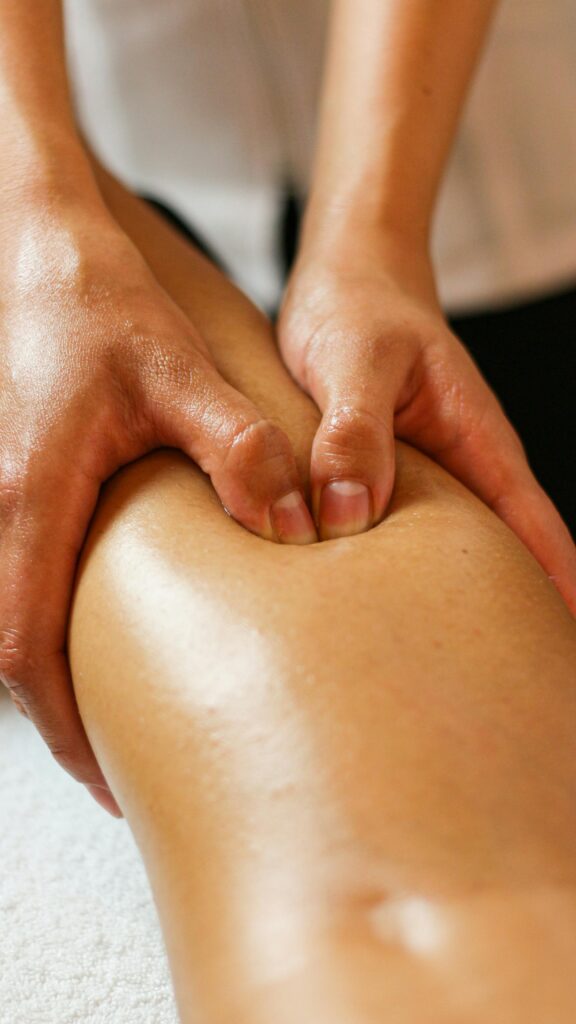
What Is Deep Tissue Massage?
Deep tissue massage works into the deeper layers of muscle and connective tissue, helping to release chronic tension and improve how your body moves and feels.
Unlike lighter, relaxation-focused treatments, deep tissue massage:
- Uses slower, more targeted pressure
- Focuses on areas of deep tension
- Works through tightness built up over time
The aim isn’t simply pressure — it’s effectiveness.
Each technique is adapted to how your body responds, ensuring your treatment remains effective and comfortable.
What Can Deep Tissue Massage Help With?
Deep tissue massage is particularly effective for people experiencing ongoing tension, discomfort or restricted movement such as:
- Lower back pain and stiffness
- Neck and shoulder tension
- Sciatica and nerve-related discomfort
- Muscle tightness and restricted movement
- Postural tension from desk-based work
- General aches and physical fatigue
Many clients come in after trying to ignore these issues for weeks or months. Over time, the body adapts to tension — and that’s where targeted treatment can help release it.
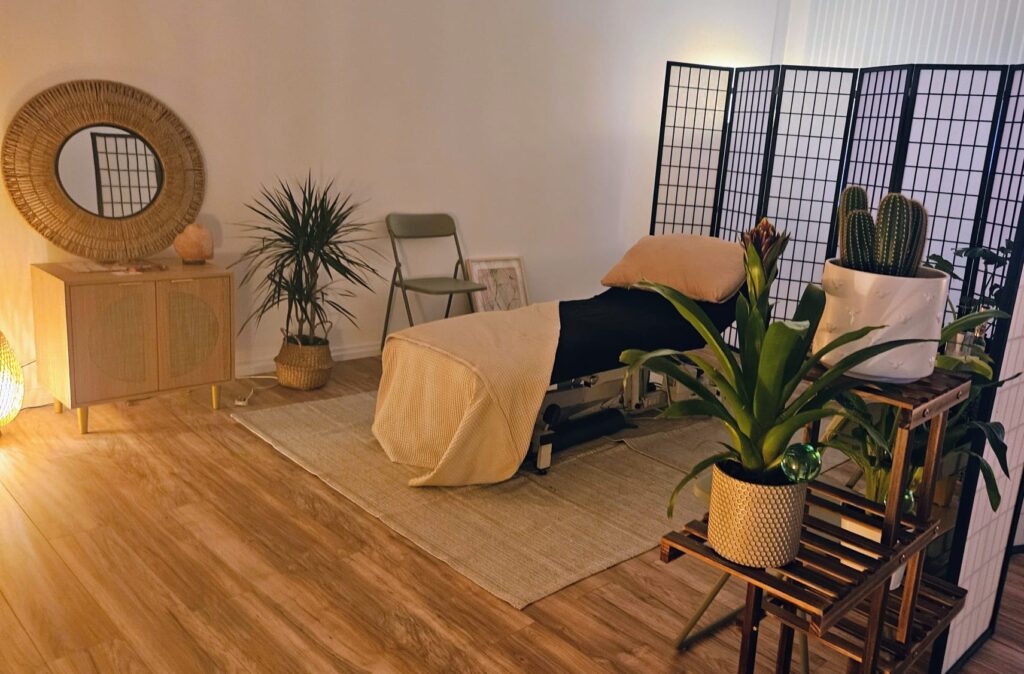
A Personal Approach to Deep Tissue Massage
No two people carry tension in the same way.
Some hold it in their shoulders, others in their lower back or hips — often without realising how much it’s affecting them day to day.
That’s why each deep tissue massage at The Reset Room Glasgow begins with understanding what you’re experiencing.
By listening to how your body feels and adjusting techniques throughout the session, the treatment becomes more effective and more comfortable.
The focus isn’t on applying as much pressure as possible — it’s about working in a way that helps your body release tension safely and gradually.
What to Expect During Your Treatment
If you’re new to deep tissue massage, here’s what you can expect during your session:
During the massage:
- Pressure is adjusted based on your comfort
- Focus areas are targeted carefully
- Techniques are adapted throughout the session
After your treatment, you may feel:
- Looser and more mobile
- Reduced tension or discomfort
- A sense of physical and mental relaxation
Some mild soreness can occur, particularly if muscles have been tight for a long time — this is completely normal and usually short-lived.
Deep Tissue Massage Benefits
Beyond targeting specific issues, deep tissue massage offers wider benefits for your body and overall wellbeing:
- Helps relieve chronic muscle tension
- Supports recovery from physical strain
- Improves mobility and flexibility
- Reduces stress held in the body
- Encourages better posture and movement
Is Deep Tissue Massage Right For You?
Deep tissue massage may be right for you if you:
- Sit for long periods or work at a desk
- Experience recurring back, neck or shoulder pain
- Feel tight, restricted or stiff in movement
- Prefer a more focused, results-driven treatment
If you’re unsure, we can always discuss what approach would suit you best before your session.
Ready to Feel Better?
Book your deep tissue massage in Glasgow today and take the first step towards feeling like yourself again.
Treatments are tailored to you, ensuring the right balance of pressure, technique and relaxation.
Frequently Asked Questions
Does deep tissue massage hurt?
Deep tissue massage can feel more intense than a relaxation massage, particularly when working into areas of built-up tension.
However, it should never feel overwhelming or unbearable.
At The Reset Room Glasgow, pressure is always adjusted to suit your comfort. The aim isn’t to “push through pain,” but to work in a way that allows your muscles to release gradually and effectively.
Some areas may feel more sensitive — especially if they’ve been tight for a long time — but communication throughout your treatment ensures the experience remains manageable and beneficial.
Is deep tissue massage good for back pain?
Deep tissue massage is commonly chosen by people experiencing lower back pain, stiffness, or ongoing tension.
By working into the deeper layers of muscle, it can help reduce tightness that contributes to discomfort, particularly in the lower back, shoulders, and surrounding areas.
While it doesn’t treat underlying medical conditions, many people find it helps improve mobility and makes day-to-day movement feel more comfortable — especially when tension has built up over time.
Can deep tissue massage help sciatica?
Deep tissue massage may help ease discomfort associated with sciatica by reducing tension in the muscles around the lower back, hips, and glutes.
When these areas are tight, they can contribute to pressure around the sciatic nerve. By helping those muscles relax, massage can make symptoms feel more manageable.
It’s important to note that massage doesn’t address the root cause of sciatica, but it can be a supportive option for relieving muscular tension linked to it.
How often should I get a deep tissue massage?
This depends on how your body feels and what you’re looking to achieve.
If you’re dealing with ongoing tension, back pain, or tightness that builds up regularly, more frequent sessions can help manage this more effectively.
For others, occasional treatments are enough to maintain comfort and prevent tension from building up too much.
A simple way to think about it is:
- more frequent sessions for ongoing issues
- less frequent sessions for general maintenance
Your treatment plan can always be adjusted based on how your body responds.
What should I do after a deep tissue massage?
After your treatment, it’s normal to feel more relaxed — and sometimes slightly tender, especially if areas of tension have been worked on.
To support recovery, it can help to:
- drink water to stay hydrated
- keep your body moving gently rather than staying still
- allow time to rest if needed
Most people find that any soreness settles within a day or two, and is often followed by a feeling of improved movement and reduced tension.